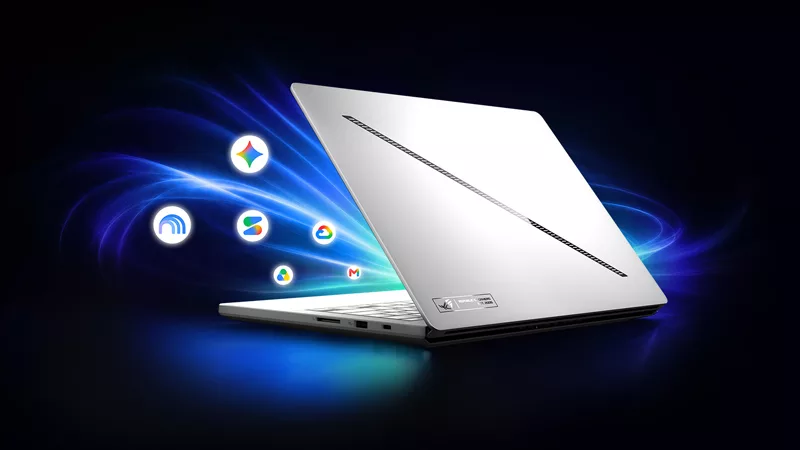
Are Gaming Laptops Worth It in 2026? Answering the Internet's Most-Asked Question

“Are gaming laptops worth it?” is one of the first questions anyone typing “gaming laptop” into Google runs into, and the honest answer gets lost in a decade of forum arguments about desktop price-to-performance and whether a laptop can really keep up. Gaming laptops and gaming desktops both deliver real performance, but they solve different problems, and the right one depends on how and where you play.
Are gaming laptops worth it in 2026? Yes, for most people buy their first serious gaming machine. Modern gaming laptops close most of the performance-per-dollar gap that is used to make desktops the obvious choice, while adding a built-in display, keyboard, and battery you can take anywhere. A desktop still wins on raw performance per dollar and long-term upgradability — but for anyone who values portability, a single all-in-one setup, or simply doesn’t have room for a tower, a gaming laptop is the practical answer.
Here’s a straight answer to the questions people keep typing into Google.
The Short Answer: Gaming Laptop vs. Desktop PC
|
Factor |
Desktop PC |
Gaming Laptop |
|
Performance per Dollar |
Higher — same GPU costs less in a tower |
Lower, but the gap has narrowed sharply by 2026 |
|
Portability |
None — stays on a desk |
Full setup in one bag, works anywhere |
|
Upgradability |
GPU, CPU, RAM, storage all swappable |
RAM/storage is often upgradeable; GPU is fixed |
|
Thermal Headroom |
Large case, easier to cool, quieter at full load |
Compact chassis runs hotter and louder under load |
|
Setup Cost |
Needs monitor, keyboard, mouse separately |
Built-in display, keyboard, and battery included |
|
Typical Price Premium |
Baseline for the same GPU tier |
Adds cost for the tier, though the gap has narrowed |
|
Best For |
Max performance, frequent upgrades, fixed setup |
Portability, dorms/shared spaces, one all-in-one rig |
Sources: LapZen Lab — Gaming Laptop vs Desktop Performance 2026; Eduindex — Gaming Laptop Buying Guide; TechPulse Weekly — Laptop GPU Price-to-Performance 2026
Do Gaming Laptops Really Cost More Than They’re Worth? Separating the Myth from the Math
The price premium is real, but it’s also the most exaggerated part of the gaming-laptop conversation. Because a laptop must fit a GPU, CPU, display, battery, and cooling system into a chassis a few centimeters thick, that engineering costs more than dropping the same components into a roomy desktop case. That’s a genuinely different economics problem than a desktop, where airflow and space are close to free.
What that premium doesn’t mean is that a gaming laptop is a bad deal for the person to buy it. Modern mid-range gaming laptops now ship with GPU tiers that would have been flagship-only two years ago, and reviewers tracking 2025–2026 laptop launches report the price-per-frame gap against equivalent desktop GPUs shrinking every generation. The buyers who genuinely lose value on a gaming laptop are the ones who never leave their desk and would have used a monitor and peripherals either way — for them, a desktop simply buys more performance for the same money.
Gaming Laptop Claims vs. Reality
|
The Claim |
The Reality |
|
“Gaming laptops always overheat and throttle” |
Real on cheap, thin models; high-airflow chassis and vapor-chamber cooling largely solve it on 2026 models |
|
“You can’t upgrade a gaming laptop at all” |
GPU is fixed, but RAM and storage are upgradeable on most models — it’s partial, not zero, upgradability |
|
“A laptop can never match a desktop GPU” |
True at the very top end; at mid-range tiers the gap is now small enough that most gamers won’t notice it |
|
“Gaming laptops die fast on battery” |
True under full gaming load; battery life is genuinely good for everyday use, browsing, and video |
|
“They’re always loud under load” |
Fan noise under full load is real, but quiet/balanced modes handle lighter games without spinning up |
Sources: LapZen Lab — Gaming Laptop vs Desktop 2026; TechPulse Weekly — Laptop GPU Price-to-Performance 2026; Eduindex — Gaming Laptop Buying Guide
What You Actually Get with a Gaming Laptop in 2026
-
A complete, portable setup — display, keyboard, and battery included, no separate peripherals required
-
GPU tiers that were flagship-only a generation or two ago, now available in mid-range laptop models
-
High-refresh-rate displays as a standard feature on most gaming models, not a paid upgrade
-
Enough battery life for every day, non-gaming use — browsing, writing, and video away from a charger
-
One machine that covers both work and play, instead of maintaining a desktop and a separate laptop
Do You Actually Need a Gaming Laptop?
It’s a genuinely worthwhile choice if you:
-
Move between rooms, dorms, or locations and want one machine instead of a fixed desktop setup
-
Don’t have the space, or don’t want a dedicated space, for a tower and a separate monitor
-
Want gaming performance and a work laptop combined into a single purchase
-
Are buying your first serious gaming machine and don’t want to build or maintain a desktop
It matters less if you:
-
Always game from the same desk and would set up a monitor and peripherals regardless
-
Want to chase the absolute highest frame rates at the top GPU tier for the lowest cost
-
Plan to upgrade your GPU every year or two without replacing the whole machine
ASUS covers both ends of this with its ROG lineup. The ROG Zephyrus pairs a thin, travel-friendly chassis with genuinely high-end gaming performance — built for people who want a machine that goes from a lecture hall or office straight into a full gaming session without a second device. The ROG Strix line, by contrast, is built for players who want maximum sustained performance and cooling headroom in a laptop form factor — the closest a laptop gets desktop-class output for demanding titles and creative workloads alike.
Beyond the Spec Sheet
The laptop-vs-desktop debate isn’t really about which setup is objectively “better” — it’s about which trade-offs match how you actually play. As laptop GPUs close the gap with desktop parts and cooling systems keep improving, gaming laptops are moving from a compromise buyers accept a default choice for anyone who values flexibility as much as raw power.
Frequently Asked Questions
Are gaming laptops worth it compared to a desktop?
Yes, for most first-time buyers — you get a complete setup in one purchase and the freedom to game anywhere. A desktop still wins raw performance per dollar if you never plan to move it.
Do gaming laptops overheat?
They can under sustained full load on thin, budget models, but 2026-generation laptops with proper cooling handle extended gaming sessions without meaningful throttling for most users.
Can you upgrade a gaming laptop later?
Partially. RAM and storage are upgradeable on most models, but the GPU is soldered in and fixed at purchase — unlike a desktop, where every component can be swapped.
Is a gaming laptop worth it for the price in 2026?
Increasingly yes — the price-per-frame gap against desktop GPUs has narrowed, and strong GPU tiers are now available on mid-range, not just flagship, laptops.
How long does a gaming laptop battery last while gaming?
Expect a few hours at most under full gaming load, since GPU-intensive tasks draw heavily on the battery. Everyday use like browsing and video lasts considerably longer.
Are gaming laptops good enough for competitive esports titles?
Yes — high-refresh-rate panels and strong mid-range GPUs comfortably run most esports titles at high frame rates; only the most performance-obsessed competitive players still prefer a desktop.
Author
Popular Post

Innovate. Perform. Dominate: Celebrate 20 years of gaming with the ROG Edition 20 lineup of PC components and gear

How to boost gaming performance on the ROG Ally or ROG Xbox Ally

ROG STRIX VS TUF VS DUAL AND BEYOND: WHICH ASUS GRAPHICS CARD IS RIGHT FOR YOU?

ROG Ally Z1 vs Z1 Extreme Performance & Features Compared
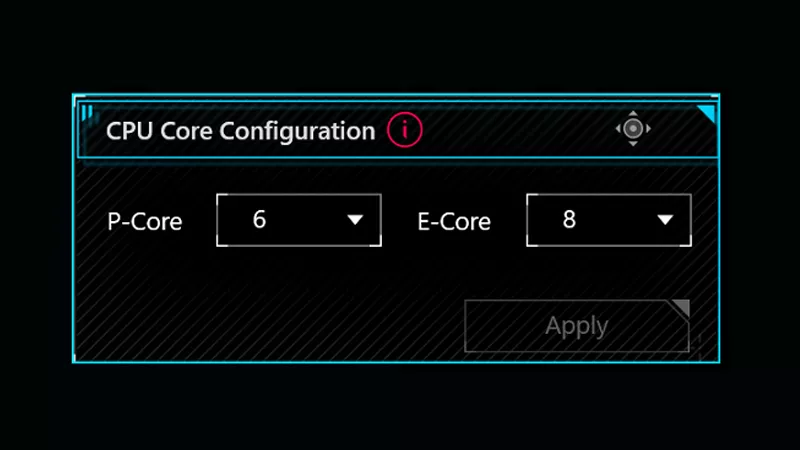
How to adjust your laptop's P-Cores and E-Cores for better performance and battery life
LATEST ARTICLES
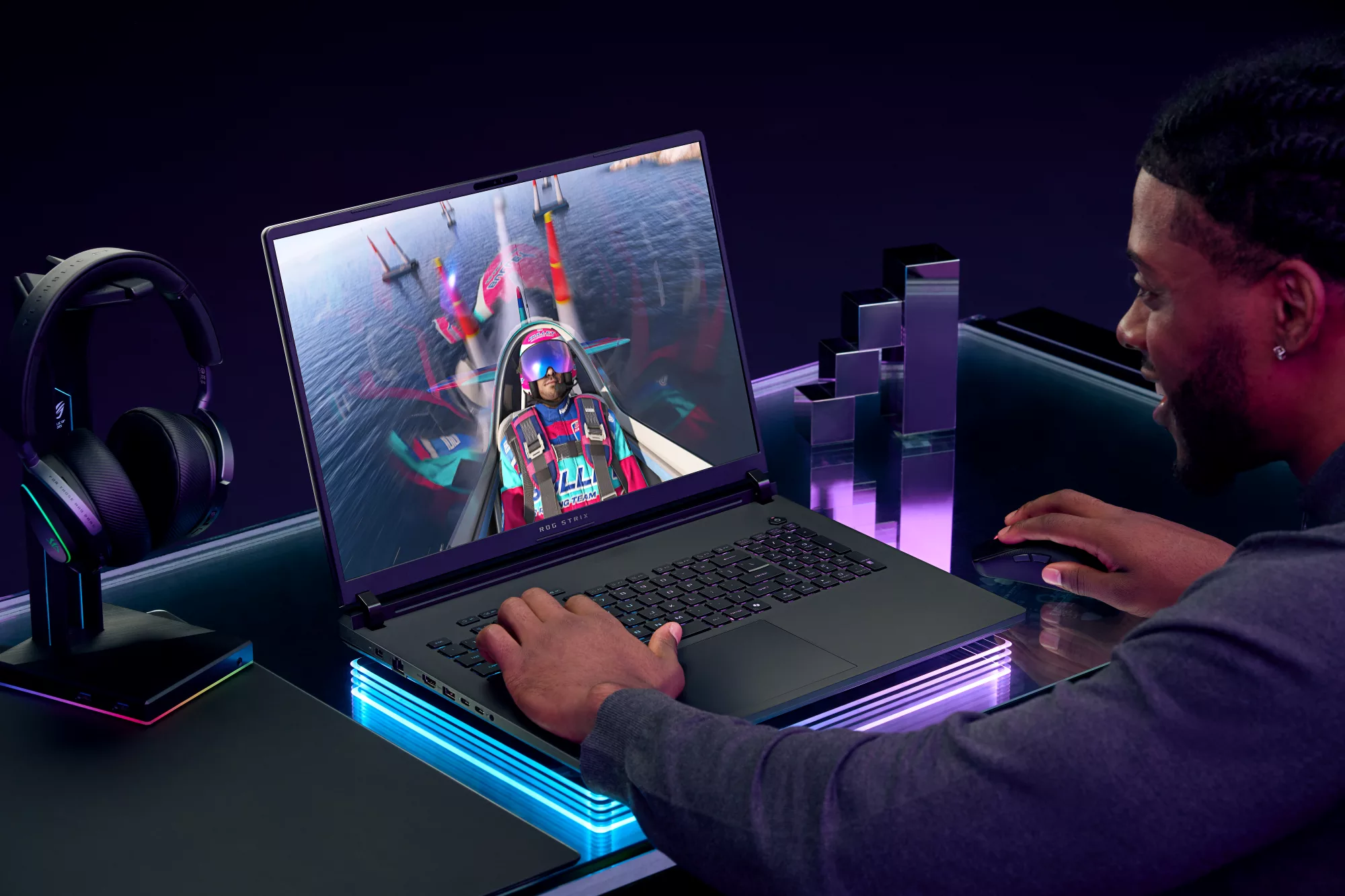
How to Optimize a Gaming Laptop for Streaming: A Step-by-Step Guide
Optimize your gaming laptop for smooth streaming with this step-by-step guide covering OBS settings, hardware encoding, network stability, cooling, and more.
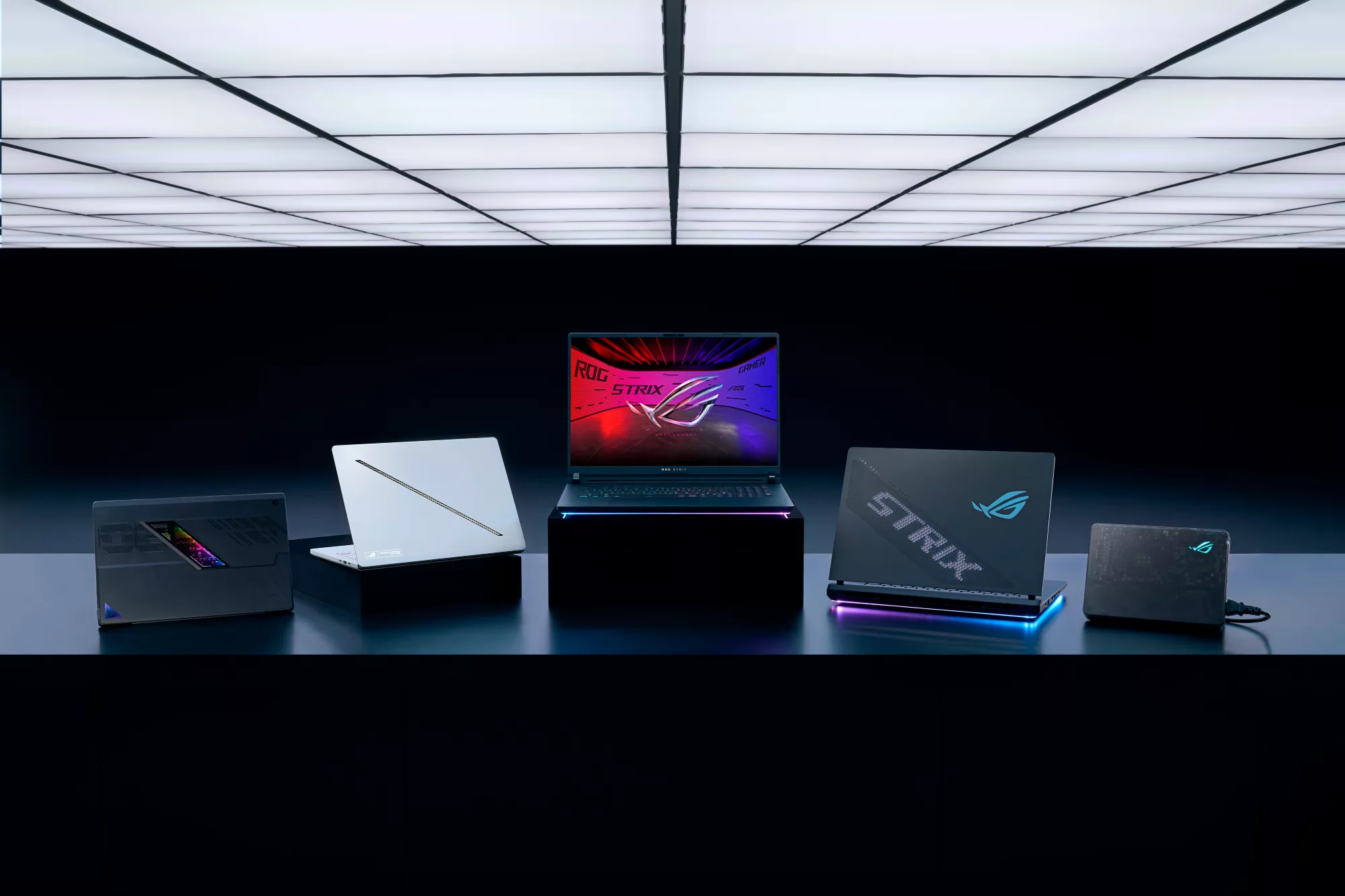
Are Gaming Laptops Worth It in 2026? Answering the Internet's Most-Asked Question
Are gaming laptops worth it in 2026? Explore the key differences between gaming laptops and desktops, and discover which setup is right for your gaming needs.

How to Keep a Gaming Laptop Cool: What Actually Works
Learn how to keep your gaming laptop cool with practical tips, from better airflow and frame-rate limits to undervolting, cooling pads, and advanced cooling systems