Lightning Speed, Fierce Visuals
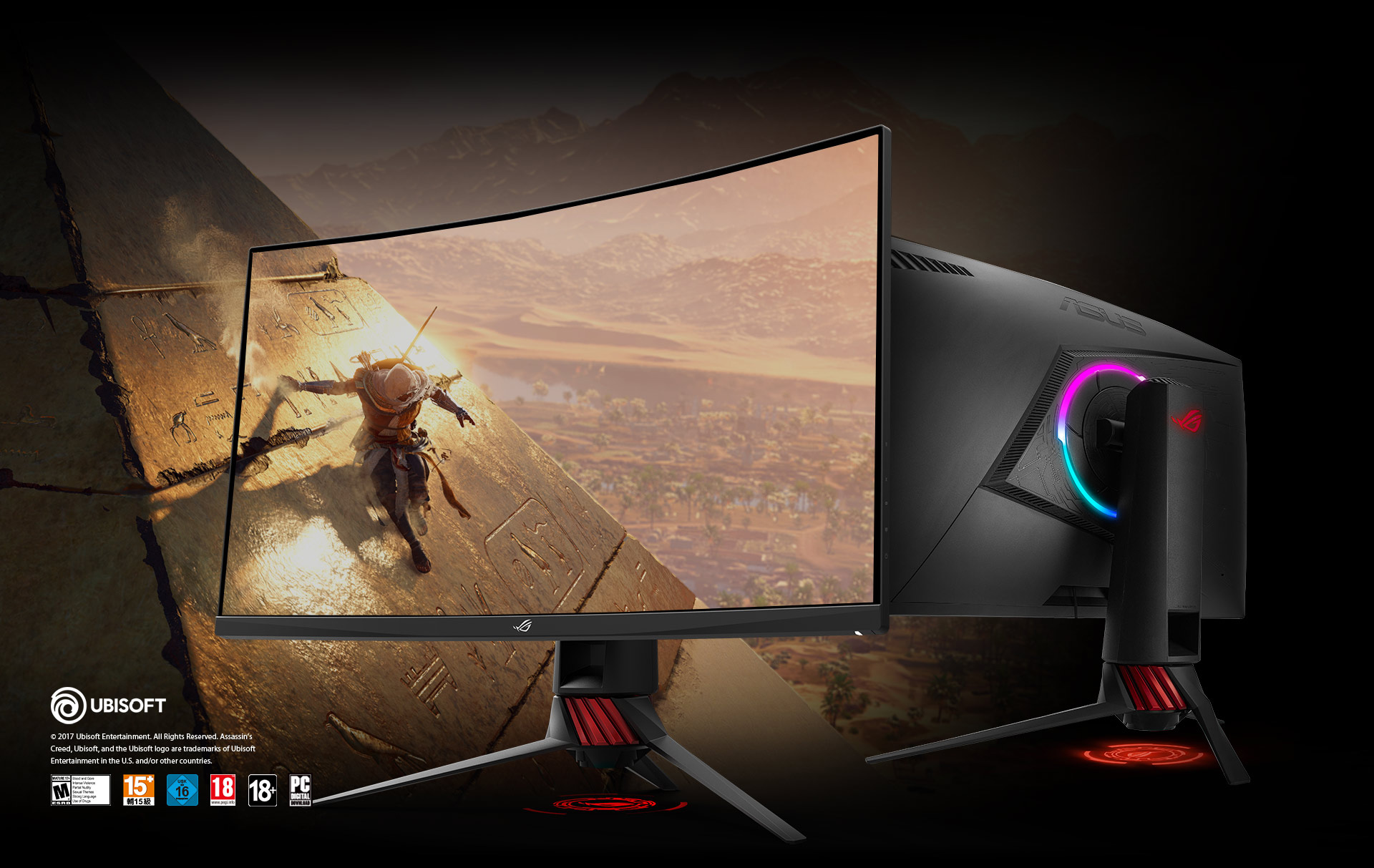

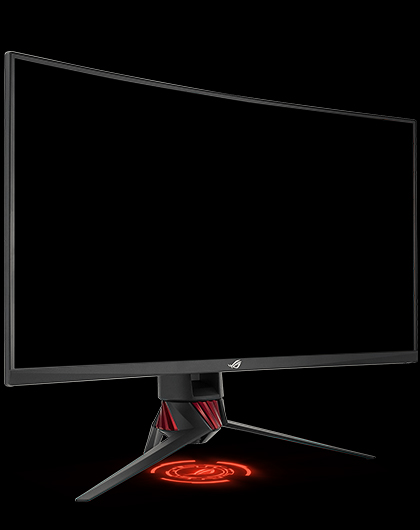
ROG Strix XG32VQ offers the perfect balance between smooth gaming and brilliant image quality, so you can enjoy even the fastest-moving visuals in captivating detail.
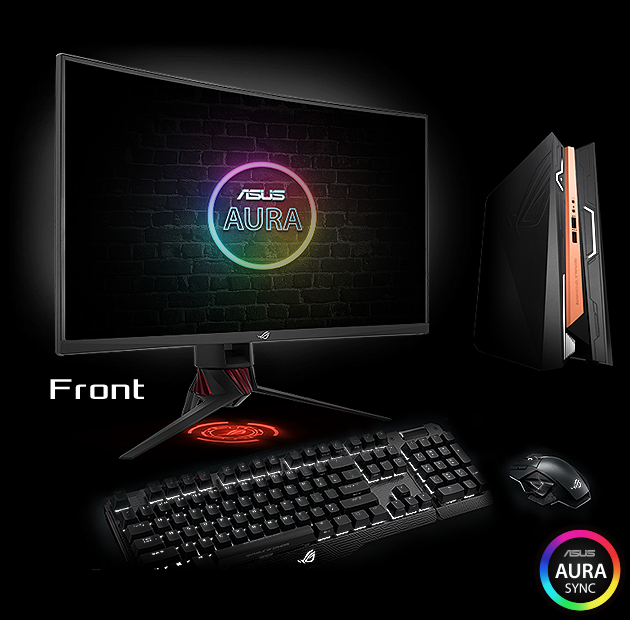
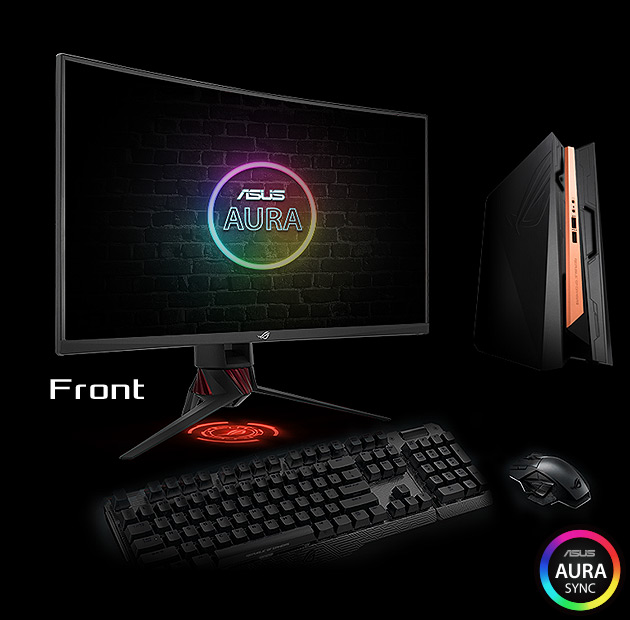
ROG Strix XG32VQ is a 32-inch QHD curved monitor with an astonishing 144Hz refresh rate and Adaptive-Sync (FreeSync™) for an extremely fluid gameplay without tearing and stuttering. It includes integrated ASUS Aura Sync lighting that allows for seamless synchronization with other Aura-enabled components and peripherals, adding personality to your gaming setup.
Light Up the Battlefield
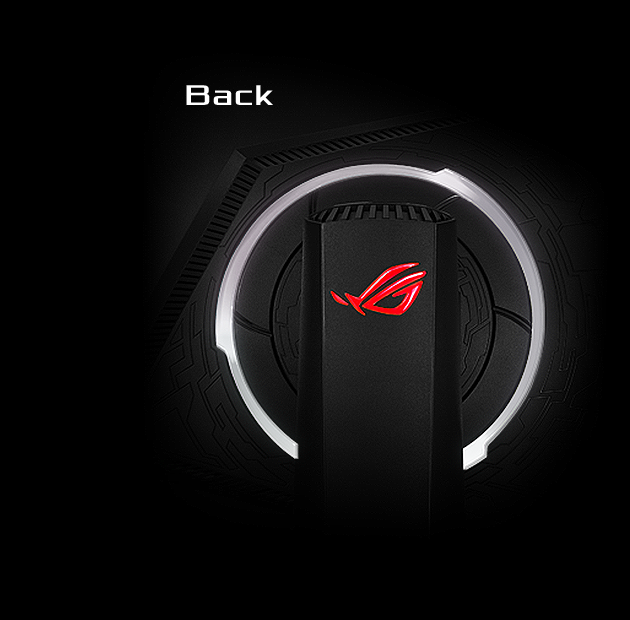
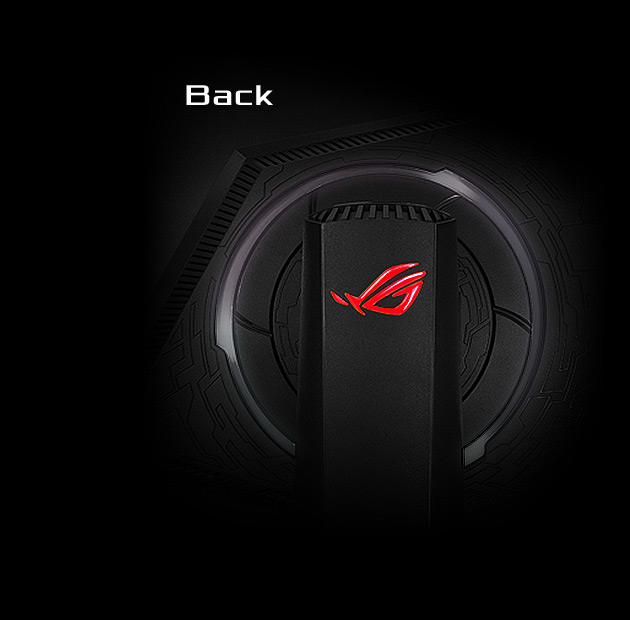
Aura Sync Lighting
-
 Static
-
 Breathing
-
 Strobing
-
 Rainbow
-
 Color cycle
-
 Comet
Comet
-
 Flash & dash
-
 Wave
Wave
-
 Glowing Yo Yo
-
 Starry night
-
 Music effect
-
 CPU Temperature
With exclusive ASUS Aura Sync lighting technology, Strix XG32VQ provides ambient lighting that can be synchronized with other Aura-enabled components and peripherals.
To achieve perfect synchronization, simply connect ROG Strix XG32VQ to other peripherals by installing the Aura Sync software on your laptop or desktop. Enjoy the coolest and most stylish backdrop for any gaming setup, and have all lights pulsing to the beat of your favorite music or game sound effects.
Install Aura Sync on Monitor
-
 Install the latest Aura Sync software
-
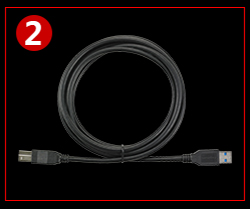 Plug the USB cable to the system, then plug the other side of USB upstream port on monitor
-
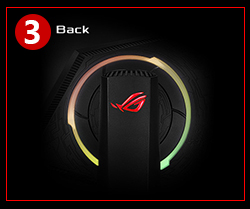 Open the OSD menu, select: System Setup → Aura Sync → On
An Immersive Gaming Arena
Experience the Curve
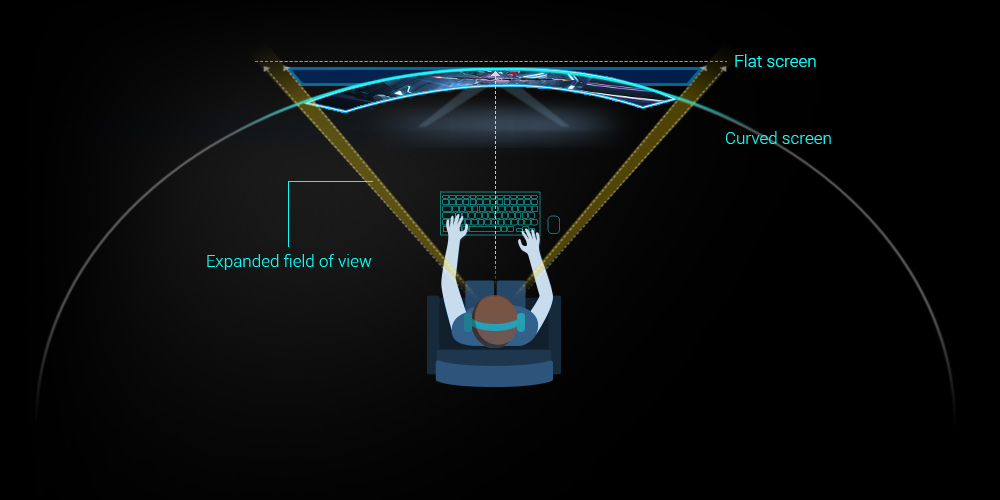
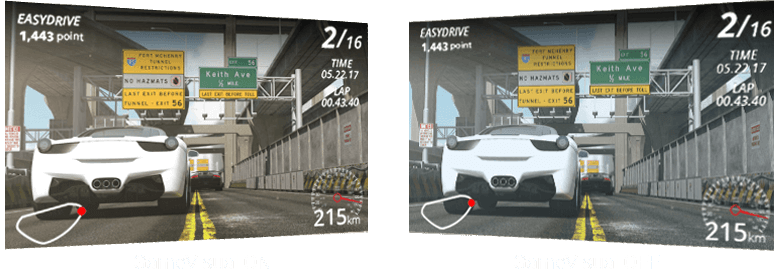
The 32-inch panel of ROG Strix XG32VQ delivers stunning visuals from all angles, thanks to an 1800R curvature that ensures every point is equidistant to your eyes. This contributes to a greater viewing comfort – even during marathon gaming sessions – and lets you enjoy wide viewing angles with less distortion and color shift, whether on games, movies, or anything else!
Seamless Gameplay
Super-Fast 144Hz Refresh Rate
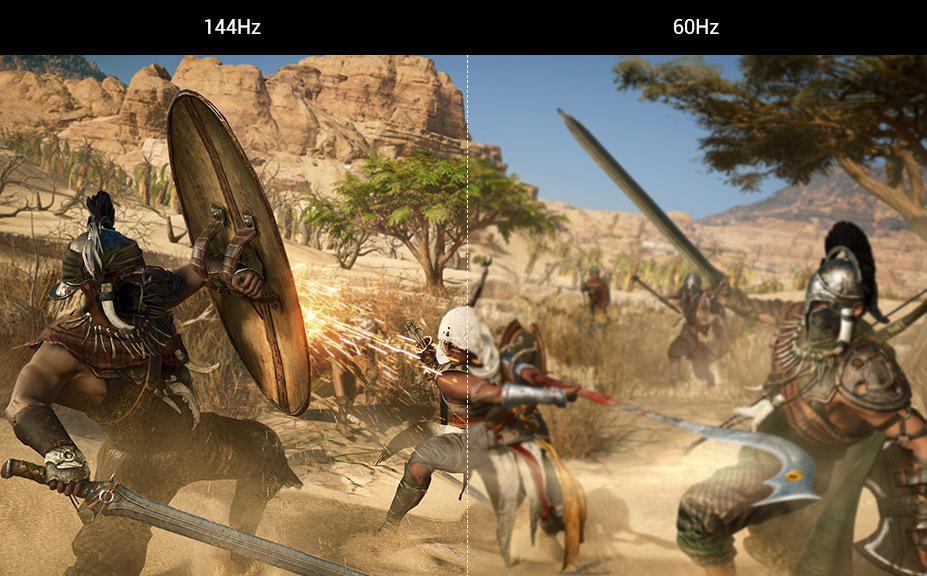
ROG Strix XG32VQ has a super-fast 144Hz refresh rate, ensuring that even fast-paced games played at the highest visual settings look buttery-smooth and completely lag-free. Get the upper hand in first-person-shooters, racing, real-time strategy, and sports titles.
True-to-life Visuals
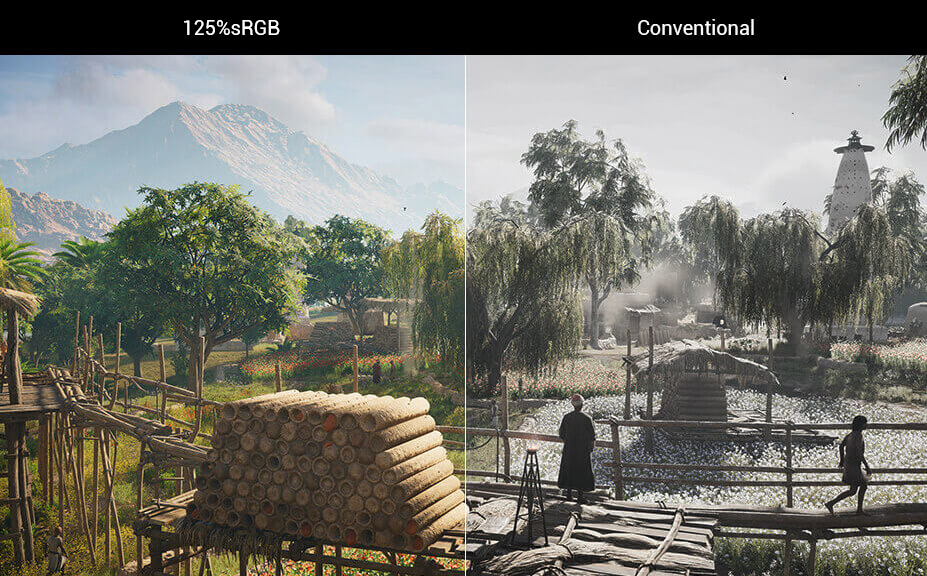
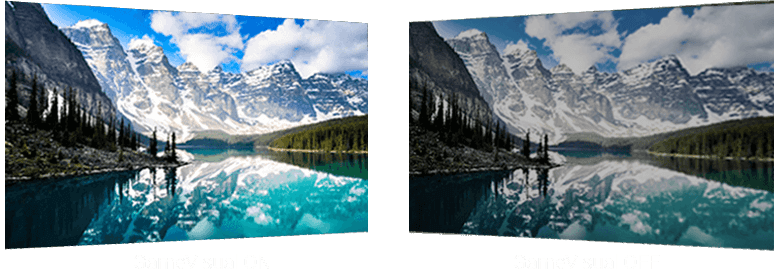
ROG Strix XG32VQ has a 125% sRGB color gamut for a wider range of lifelike, vibrant colors. Let your screen come to life whenever you play real-time strategy and role-playing games.
Adaptive-Sync (FreeSync™) Technology
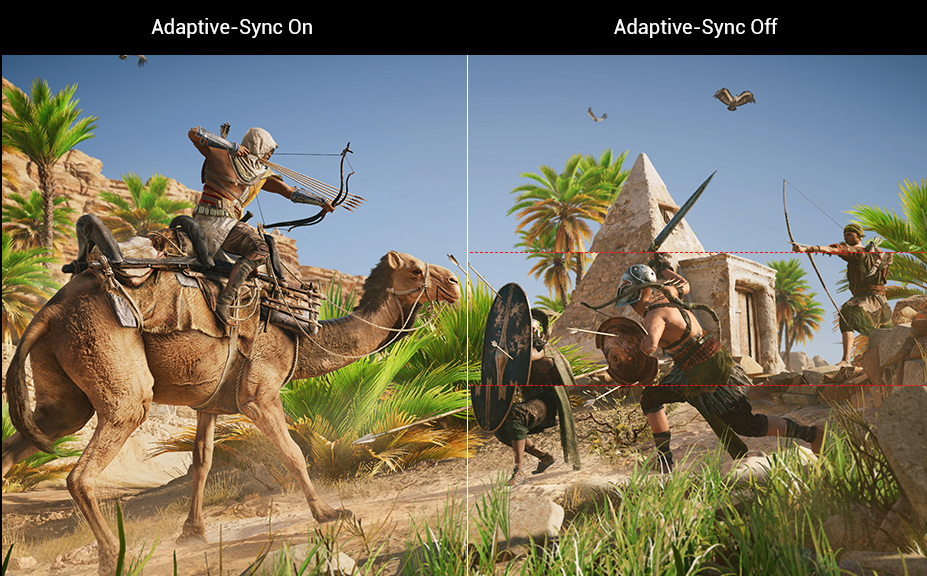
Adaptive-Sync (FreeSync™) technology delivers the smoothest, fastest, and most breathtaking gaming visuals imaginable by eliminating screen tearing and choppy frame rates, and by minimizing display stutter and input lag. ROG Strix XG32VQ gives you seamless, lag-free visuals when playing the latest fast-paced first-person-shooters, sports, or action-adventure games.
Game-Inspiring Aesthetics
Customizable Light Signature
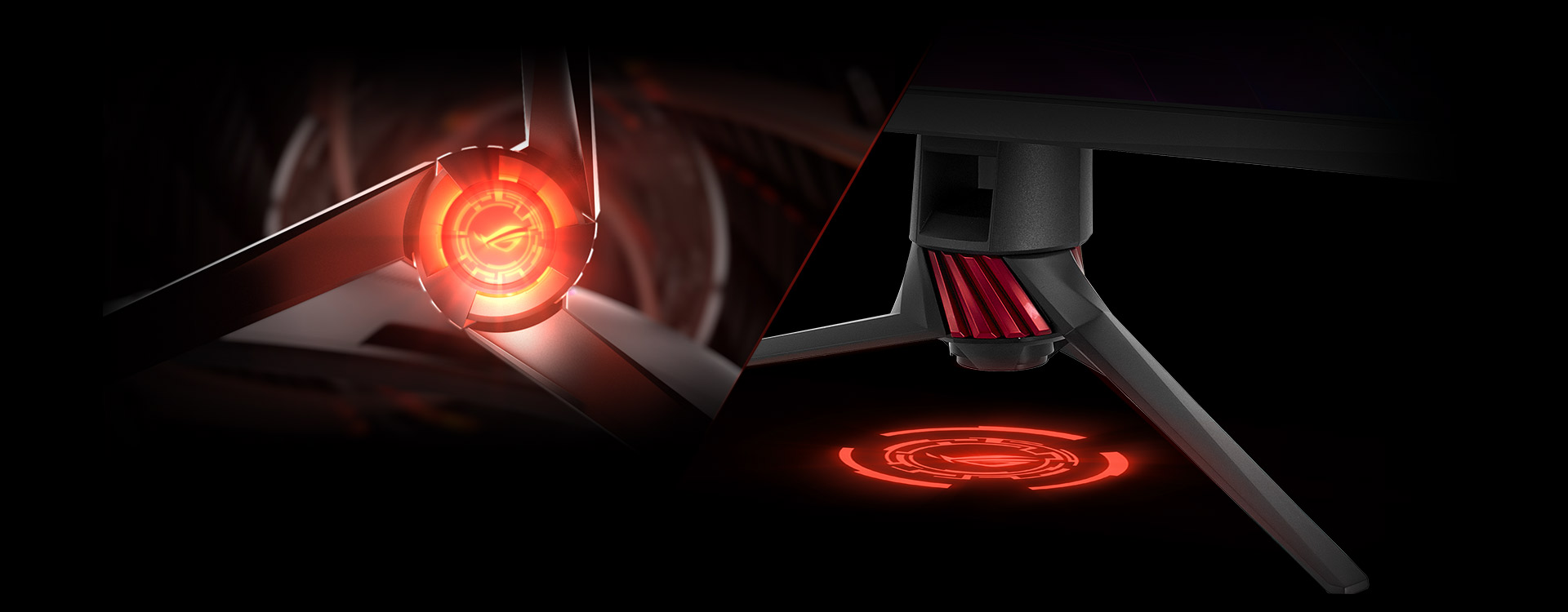
Light Signature lets you create and customize ROG Strix XG32VQ's light-projection effects. It includes two ROG logo covers and one blank covers that you can use to create customized, unique light projections to enhance your desktop surface.
*LED Lighting projection is patent pending*
Super-Narrow Bezel
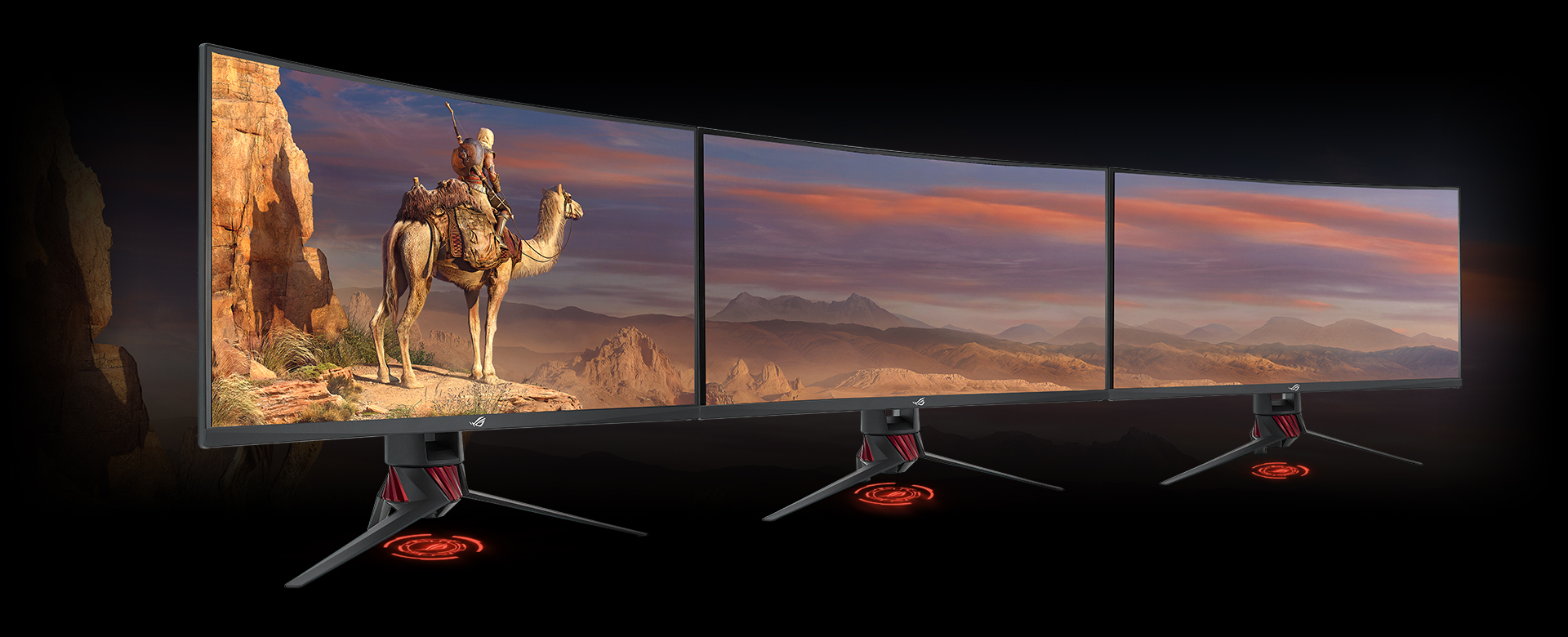
Strix XG32VQ features a super narrow bezel design, making it the ideal solution for almost-seamless multi-display setups. Build the ultimate battle station, and enjoy total gaming immersion!
Gamer-Centric Enhancements
GamePlus Technology
Stemming from the ROG commitment to creating the best gaming experiences, ROG Strix XG32VQ features the ASUS-exclusive GamePlus hotkey with in-game enhancements that help you get the most out of your game. This function is co-developed with input from pro gamers, allowing them to practice and improve their gaming skills
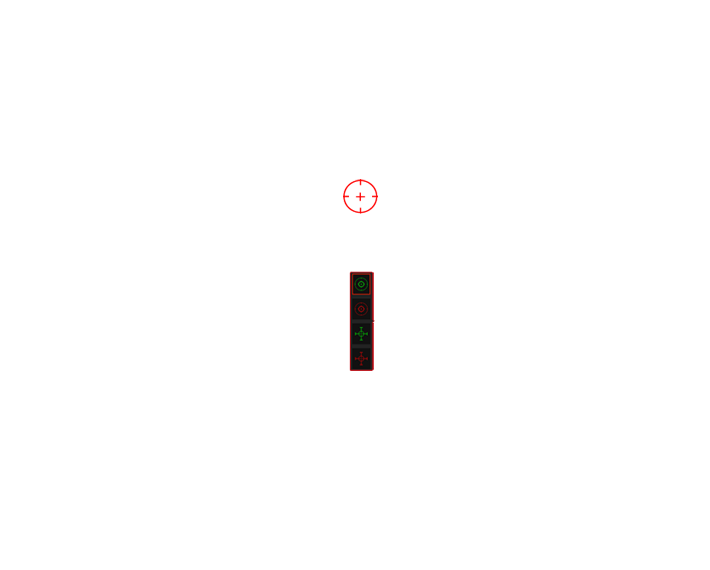
A crosshair overlay provides four different crosshair options, so you can select the one that best suits the shooter you're currently playing.
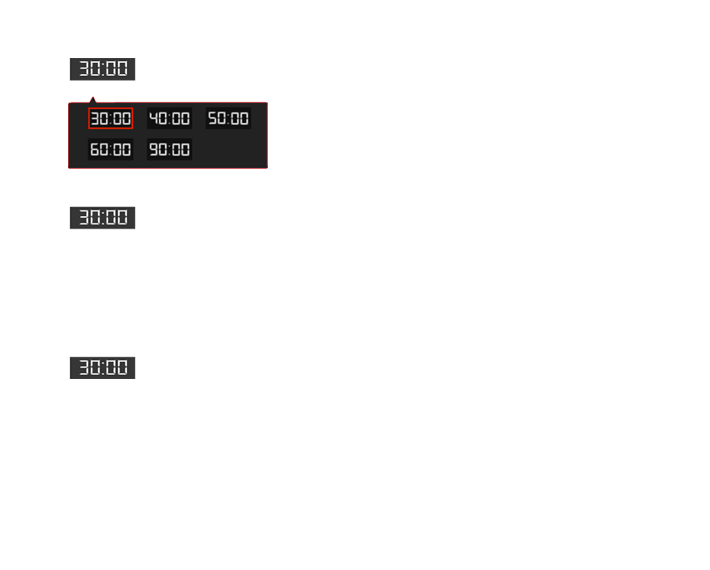
Onscreen timer that can be positioned on the left of the display to keep track of elapsed game time.
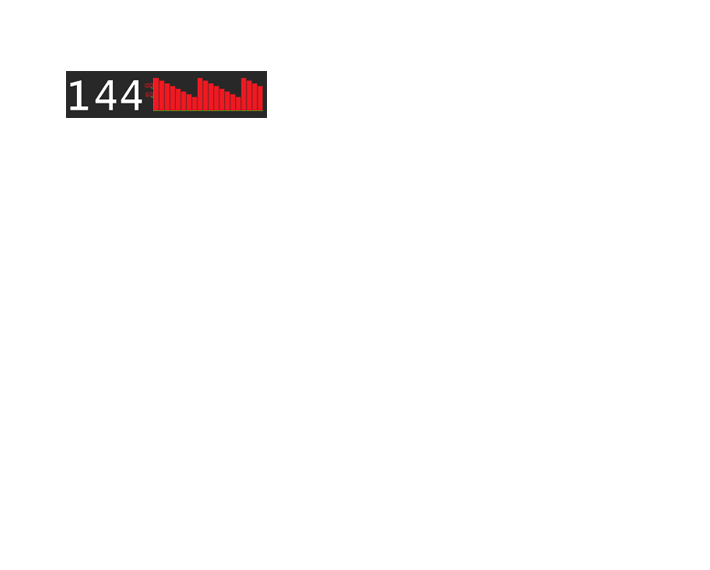
The FPS counter lets you know how smoothly the game is running.
*This can be activated while FreeSync™ is on.
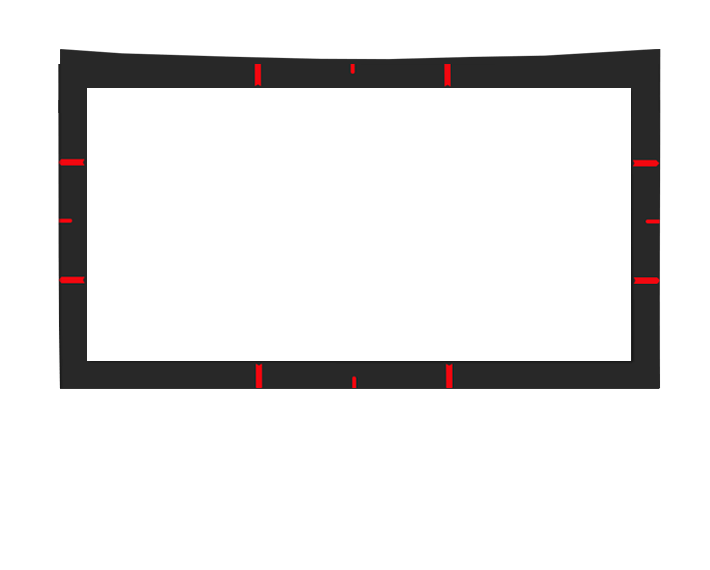
Activating the display alignment function gives users three alignment lines on all four corners of the monitor to take the guesswork out of multi-display set-ups, so each monitor lines up perfectly.




ASUS-Exclusive DisplayWidget
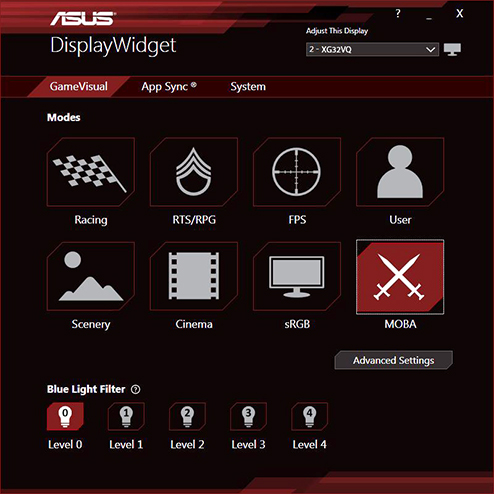
DisplayWidget is an intuitive utility software that lets users tweak settings or configure ASUS GameVisual, App Sync™, and blue light filters. These configurations can also be changed via the onscreen display or the navigation joystick, but ASUS DisplayWidget is a faster and easier way to access these settings.
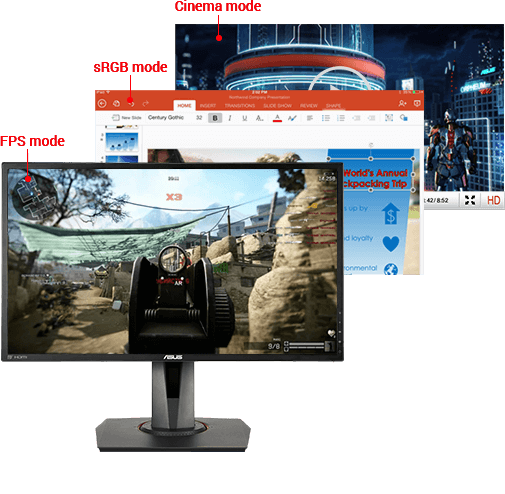
ASUS GameVisual gives you six preset display modes and one user mode tailored to suit different types of content.
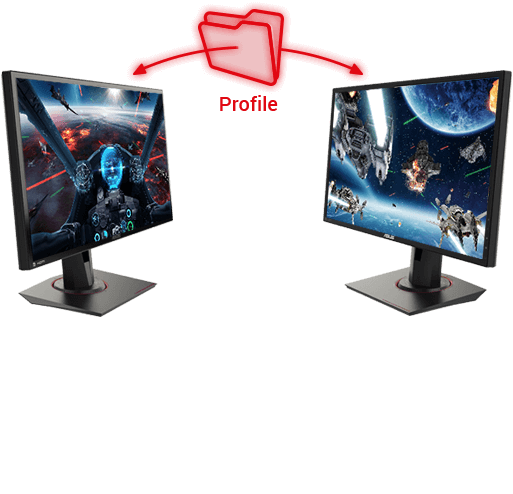
Lets you assign specific ASUS GameVisual modes to individual applications and game titles to make sure the program you are using is in your preferred mode. You also have the option of changing these assigned settings quickly .
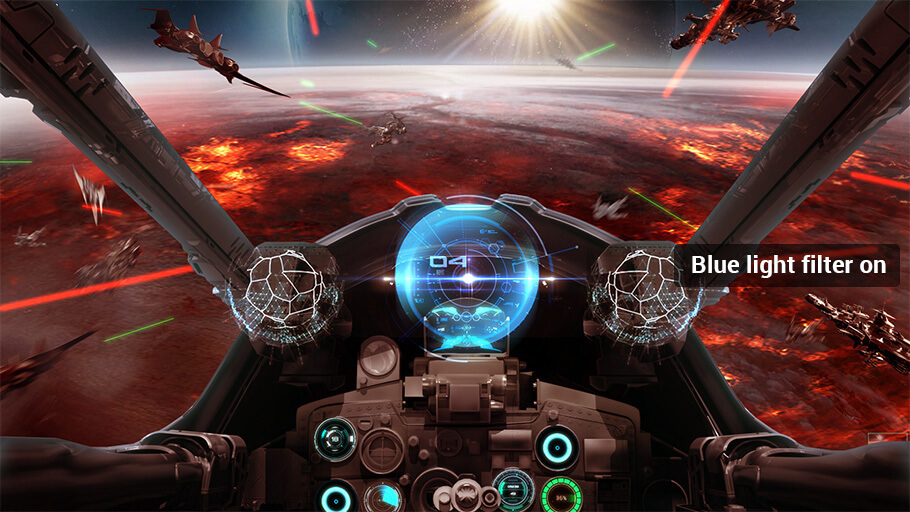
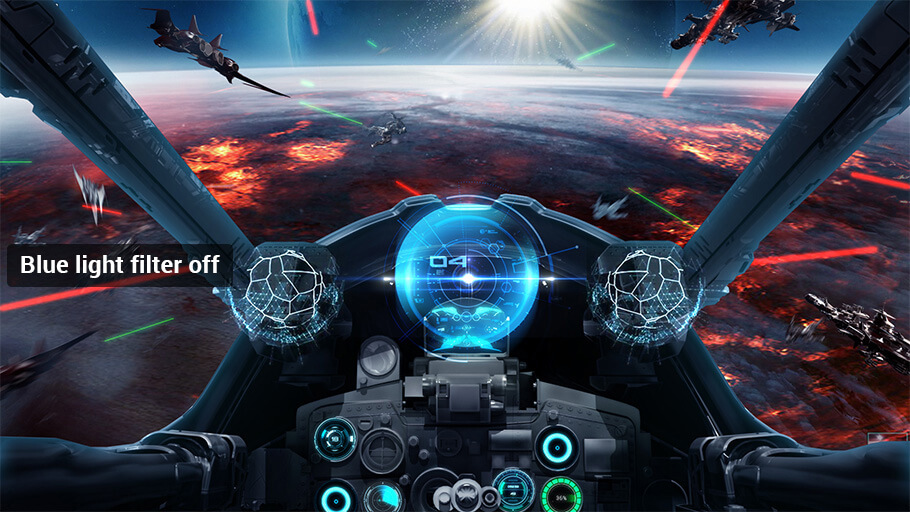
DisplayWidget also lets users access different blue light filter settings. ASUS Ultra-Low Blue Light technology reduces the amount of blue light emitted by the display and features four different filter settings onscreen to suit the task at hand. These settings can also be easily accessed via the OSD menu.





Robust Connectivity
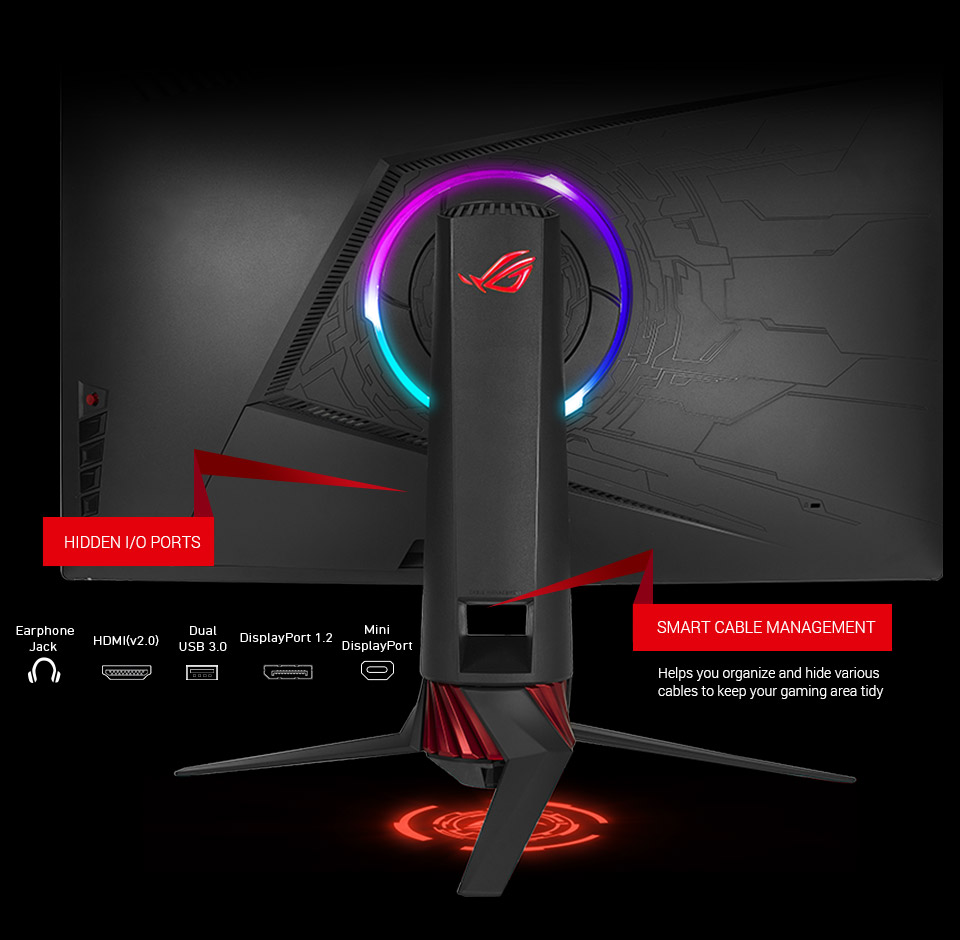
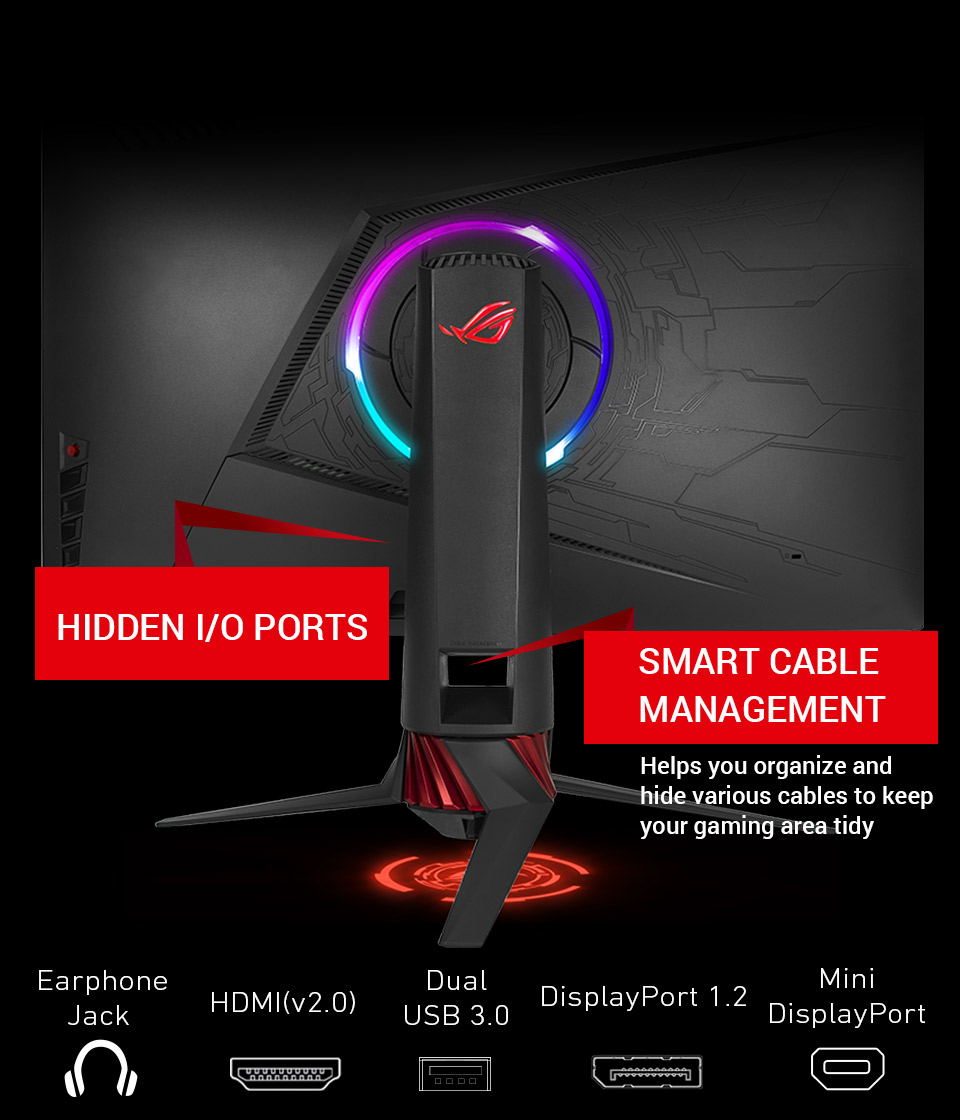
ROG Strix XG32VQ offers a wide selection of connectivity options, including DisplayPort 1.2, HDMI port ,Mini DisplayPort and earphone jack, USB 3.0 ports.
Designed for Marathon Gaming Sessions
Ultra-Low Blue Light technology
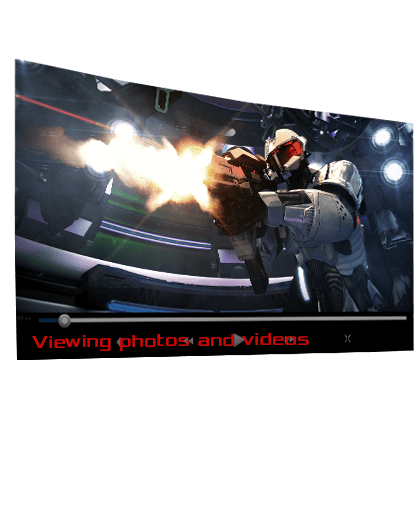
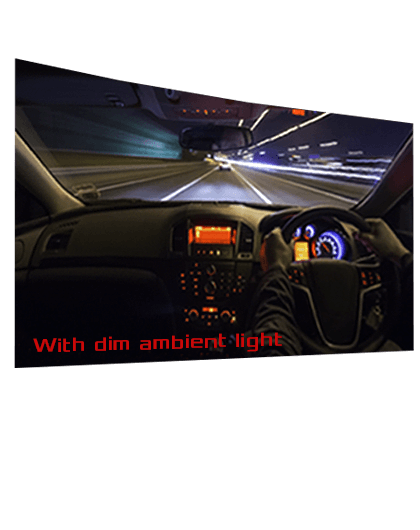
ROG Strix XG32VQ comes with TÜV Rheinland-certified ASUS Ultra-low Blue Light filters to protect your eyes from harmful blue light. Select from four different filter settings via the on-screen menu
Low Blue Light Level
- 0
- 1
- 2
- 3
- 4



Flicker-free technology
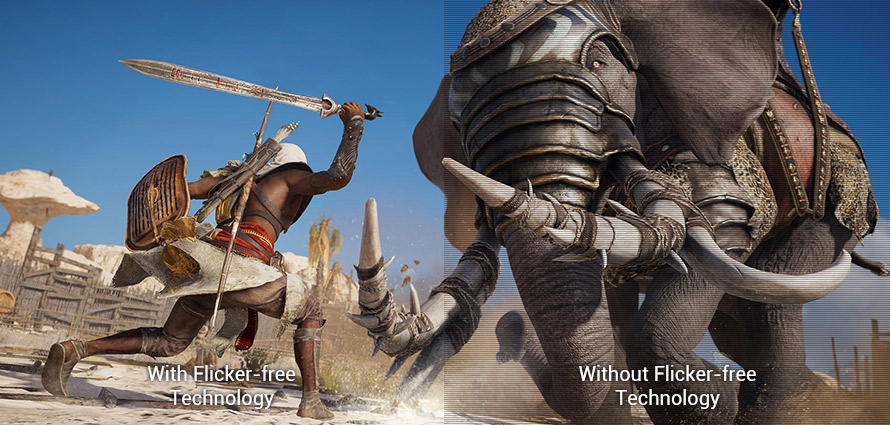
ROG Strix XG32VQ reduces onscreen flicker to give you a more comfortable gaming experience. This minimizes eye strain during marathon gaming sessions.

Ergonomic Design
ROG Strix XG32VQ features a stand that’s ergonomically designed to offer extensive swivel, tilt, and height adjustment — so you can always attain the ideal viewing angle
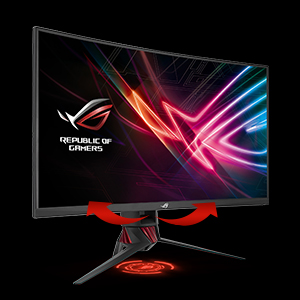
Swivel (+50o ~ -50o)
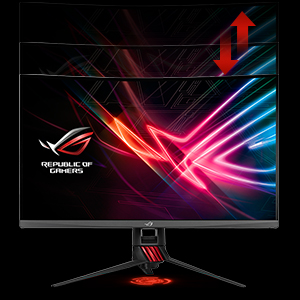
Height Adjustment : 0 ~ 100 mm
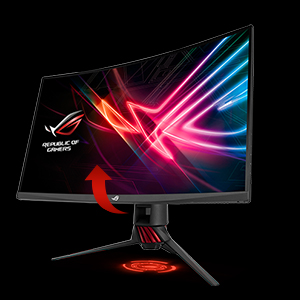
Tilt : +20o ~ -5o
FAQ
-
The choice depends on your primary game genre.
- For Competitive Players (FPS): Refresh Rate is the priority. High refresh rate monitors provide fast and smooth visuals for increased responsiveness and motion clariy. That all adds up to a measurable advantage in games like Valorant or Counter-Strike 2.
- For Immersion Players (AAA): Resolution is key. 4K (3840 x 2160) is now the baseline for cinematic experiences, offering extreme detail for titles like Cyberpunk 2077 or the latest Unreal Engine 5 releases.
- The "Sweet Spot": 1440p at 240Hz remains the most balanced configuration for most gamers, offering sharp visuals without requiring an ultra-high-end GPU.
-
Each panel serves a specific use case based on environment and performance needs:
- OLED: OLED gaming monitors offer infinite contrast for perfect blacks and a near-instantaneous 0.03ms response time, giving you a premium visual experience in any type of game.
- IPS: Most of today’s budget-friendly gaming monitors use IPS panels, but their advantages go far beyond affordability. IPS panels are known for exceptional color consistency and viewing angles, and they’re available with very high refresh rates.
- Mini-LED: Mini-LED gaming monitors provide extreme peak brightness (1000+ nits) and localized dimming for vibrant highlights, making them a compelling pick for gamers chasing premium HDR experiences.
-
They represent different ways a screen handles light and color:
- OLED: In an OLED panel, every pixel is its own light source. This allows for "True Black" because pixels can turn completely off. This panel type is the gold standard for speed and contrast.
- IPS: An IPS panel uses liquid crystals aligned in rows to produce consistent color. This panel type is trusted for excellent color accuracy and wide viewing angles. These characteristics make it perfect if you’re sharing the screen or doing creative work alongside gaming.
- VA: VA panels use crystals aligned vertically to block light more effectively. This allows VA panels to offer better native contrast than IPS types thanks to deeper blacks. However, these panels aren’t always preferred for fast-paced gaming due to a “dark smearing” effect.
-
The "best" size is determined by your viewing distance, resolution, and the type of games you play. The most competitive esports gamers tend to prefer smaller 24-inch or 25-inch monitors that allow them to keep the entire screen in the center of their field of vision. This makes sure that they don’t miss a thing on the minimap or in the periphery of their vision.
Larger 32-inch monitors provide a cinematic experience that pairs well for lavish AAA spectacles, role-playing games, and immersive sims. They’re perfect for 4K and dual-mode setups where you want a large canvas for cinematic immersion. Ultrawide and super-ultrawide monitors extend horizontally to fill more of the periphery of your vision. They’re often preferred by racing sim enthusiasts, but also cater to multitaskers and gamers who prioritize immersion.
The “sweet spot” for most gamers is a 27-inch monitor size. Big enough to feel immersive yet compact enough to keep all the action in the center of your field of view, 27-inch monitors offer a great experience in any game. Many gamers find that 1440p 27-inch monitors offer a compelling balance of detail and pixel density. Since most mainstream graphics cards can produce very high FPS at this resolution, it’s a great fit for most gamers’ setups, too.
-
Absolutely—if the hardware supports it. HDR (High Dynamic Range) expands the range between the brightest whites and darkest blacks, allowing for looming shadows and dazzling highlights that make every frame feel more true to life.
- DisplayHDR 400: This is the entry point for the ratings system, and it indicates that a monitor provides a welcome boost in brightness, contrast, and color performance over comparable standard monitors.
- DisplayHDR 600/1000: A monitor with one of these ratings delivers what many would call the "Real HDR" experience, requiring local dimming zones for high-contrast impact.
- DisplayHDR True Black (400/500/600): This group of ratings is exclusive to OLED panels, giving gamers an easy tool for comparing the performance of different OLED gaming monitors. These ratings better account for the incredible depth of black levels on OLED panels rather than focusing on raw brightness.
-
ELMB (Extreme Low Motion Blur) is ASUS’s proprietary strobing technology that eliminates motion blur for "CRT-like" clarity. ELMB works at a fixed refresh rate (e.g., exactly 144Hz), and is best used with game settings that allow for a very stable FPS. ELMB Sync is the evolution of the technology. It allows ELMB strobing to work simultaneously with Variable Refresh Rate technologies like G-SYNC and FreeSync. This gives you the best of both worlds by eliminating screen tearing and minimizing motion blur, even as your frame rate fluctuates naturally over time.
-
"Overdrive" is a technique exclusive to LCD gaming monitors that pushes pixels to change colors faster to reduce motion blur. However, a fixed overdrive setting that looks great at 240 FPS might cause "overshoot" (disturbing halos around moving objects) if your frame rate drops to 60 FPS.
Variable Overdrive is an advanced form of the technique that intelligently adjusts the overdrive level in real-time, ensuring that you get reduced blur without distracting visual artifacts, even as your frame rate fluctuates. Found in many ROG and TUF Gaming monitors from ASUS, Variable Overdrive gives you clear images with zero ghosting or overshoot.
-
Yes. Both PS5 and Xbox Series X/S support VRR via HDMI 2.1. This eliminates screen tearing and stuttering, making games feel smoother even if the frame rate isn't perfectly stable. All ASUS and ROG HDMI 2.1 monitors are fully compatible.
-
Dual-Mode is a revolutionary feature that allows a single monitor to switch between two distinct performance profiles—typically a high-resolution mode and a high-refresh-rate mode. It achieves this by combining four pixels into one (pixel binning) to prioritize speed, or using every individual pixel to prioritize detail.
- The Benefit for Gamers: You get the best of both worlds. You can enjoy a cinematic, immersive experience in AAA titles (like Black Myth: Wukong or Cyberpunk 2077) and then instantly switch to a "pro-speed" mode for Competitive FPS (like Valorant or Apex Legends).
This is a massive cost and space saver. Instead of buying two different monitors, one ROG Dual-Mode monitor handles every genre perfectly.
-
ROG OLED displays are factory-calibrated to achieve a high level of color accuracy. Color accuracy is typically measured by an average delta E value, with value less than two indicating that the human generally cannot distinguish the difference between the color on the screen and the reference color. Creative professionals are the most demanding users when it comes to color accuracy, but accurate monitors also give gamers the ability to experience games just as their developers intended.
-
For the highest possible performance in 2026, the specific version and bandwidth matter.
- DisplayPort 2.1 is the current performance king. Look specifically for DP2.1a with UHBR20 support, which provides a massive 80Gbps bandwidth. This is the best fit for today’s high-end graphics cards, which support DisplayPort 2.1 output.
- HDMI 2.1 ports are preferred for console gaming (PS5/Xbox) and for high-end gaming on a TV, but the connector type is capped at 48Gbps. For this reason, gamers tend to use DisplayPort 2.1a for PC gaming and HDMI 2.1 for consoles or secondary media devices.
-
As with many choices with your gaming monitor, this depends on your environment and usage. For most gamers today, we tend to recommend a budget OLED gaming monitor since even an affordable OLED offers cutting-edge visuals with premium motion clarity, true-to-life-colors, and the panel type’s signature inky blacks. If you’re looking to buy one monitor that you’ll love for years, OLED is the clear winner in most scenarios.
That said, the older IPS technology still has a place on the desks of many gamers. If your monitor will see hours of use for productivity or coding tasks in a room with a high ambient light level, you might prefer an extra-bright IPS monitor, perhaps a model with a mini-LED backlight. IPS monitors are also available for very attainable prices, making them a common choice for budget PC gaming setups.